You've made it! The offer, inspection, Purchase and Sale Agreement, appraisal, mortgage process, title work and final walk-through are behind you. It's closing day.So you sit down at the closing

Dated: September 15 2026
Views: 11
TLDR? See our printable checklist at the bottom of the page.
You made it. The offer was accepted. The inspection is over. The mortgage is complete. The attorneys have done their work. The papers are signed and the keys are finally yours. For weeks, you've probably been working from one deadline to another. And then you close. Suddenly, nobody is asking you for another bank statement, signature or document. Now what?
There are a few practical things new homeowners should take care of during those first days and weeks after closing. None is particularly complicated, but they're much easier to remember when you have a list.
Electricity is fairly hard to forget. Trash pickup? Surprisingly easy.
Depending on the property and community, you may need to confirm or establish accounts for electricity, water and sewer, rubbish and recycling, cable and internet. If the home uses heating oil or propane, make sure you know who will be providing your fuel and how deliveries will work.
This is also a good time to figure out what day the trash goes out, because learning that approximately twelve minutes after the truck drives past your new house is a rite of homeownership we'd prefer to help you avoid.

Even if the seller handed you a collection of keys at closing, you don't necessarily know how many other copies exist. Changing or rekeying the exterior locks gives you control over access to your new home. Remember garage door openers, keypads and other access codes too.
Before you need them, locate your:
If you don't understand how an important system works, now is a much better time to learn than when something is leaking at 11:30 on a Sunday night.
Remember that inspection report you read very carefully while deciding whether to buy the house? Don't bury it in your email forever. Your inspector may have identified maintenance items or conditions that didn't require immediate action but should be monitored over time.
Go through the report again without the pressure of the transaction. Make a list of things you'd like to address soon, things that can wait, and things you simply need to keep an eye on. Your inspection report can become the beginning of your home's maintenance plan. If you can't find yours, reach out to us because we probably have a copy in your file.
Forward your mail and start updating your address with financial institutions, insurance companies, subscriptions and other important accounts.
Massachusetts residents are required to notify the RMV of an address change within 30 days. The RMV says this can be completed online, and vehicle owners should also notify their auto insurer. It's one of those small things that's much easier to handle now than discover six months later when something important went to your old address.
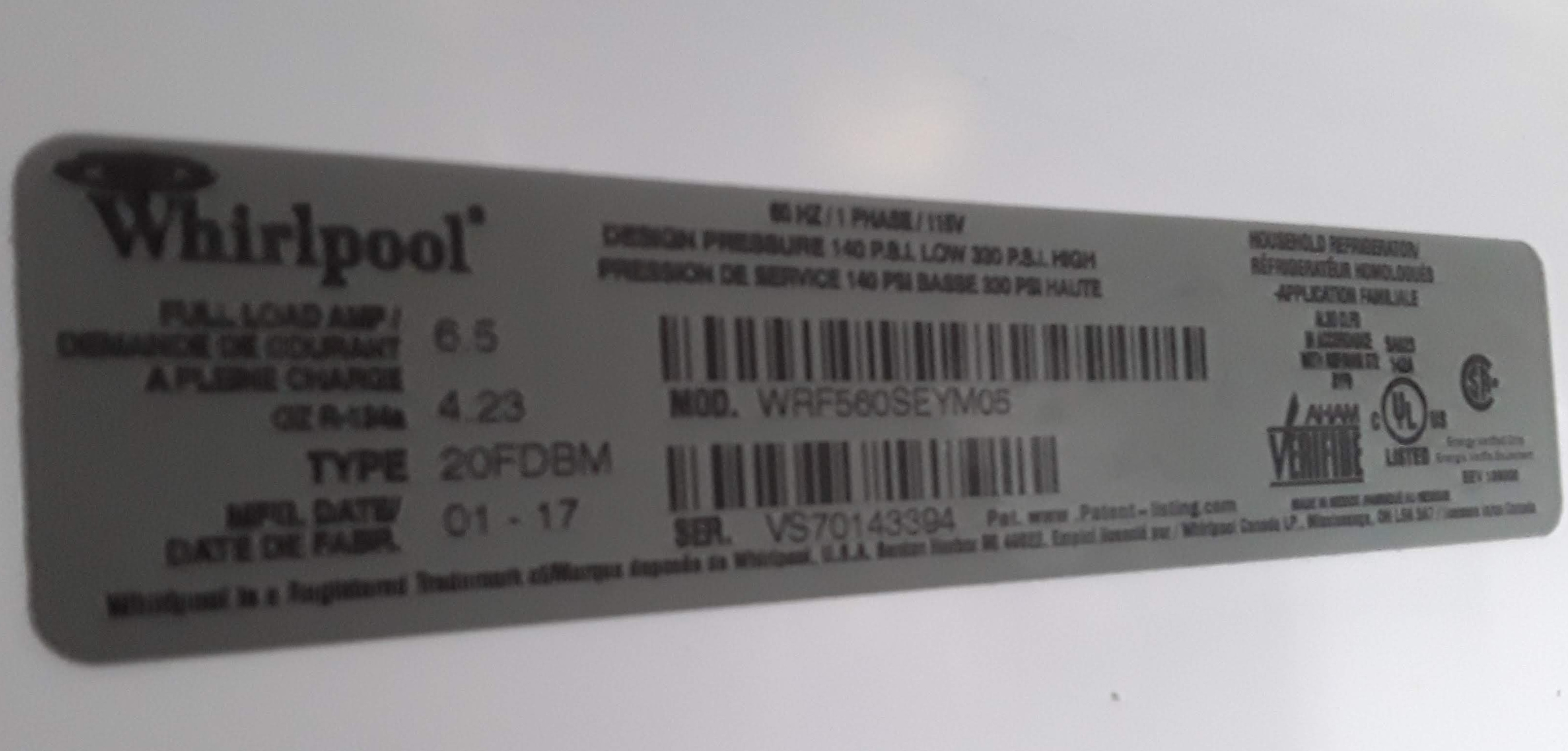
This is one of our favorite habits for new homeowners. Create a physical or digital place to keep information about the house. Save receipts for improvements and major repairs. Keep appliance and equipment warranties. Record service dates. Save information about contractors you've used. Keep closing documents somewhere secure.
Over the years, you'll accumulate a history of the property that can be useful for maintaining the home, budgeting for future work and eventually preparing to sell it. Some of us even take photos of appliance information and upload to Google photos. Then if you ever need that info, it's at your fingertips.
Every house has its peculiarities. One room is colder than the others. There's a light switch whose purpose remains a mystery. The basement gets a little damp after three days of heavy rain. The maple tree drops approximately fourteen billion leaves during one particular week in October.
You don't need to understand everything immediately. Give yourself some time to live in the house before deciding that every imperfect thing needs to be changed. You'll learn which projects matter to you and which things you thought you'd change immediately turn out not to bother you at all.
Buying a home is a long process. Once it's over, it's easy to immediately create another enormous list of things you think you "should" do. You don't have to renovate everything. You don't have to furnish every room. You don't have to finish every project during the first year.
Unpack. Order pizza. Figure out where the coffee maker is. Sit on the porch. Invite some people over. You worked hard to buy your home. Give yourself some time to enjoy owning it.
And if a question comes up next week, next year or five years from now, call us. The closing table may mark the end of the transaction. It doesn't mark the end of our relationship.

Buying or selling a home can feel overwhelming. My job is to make sure it doesn't have to. I work behind the scenes on nearly every transaction at REMAX Liberty, helping coordinate marketing, paperwo....
You've made it! The offer, inspection, Purchase and Sale Agreement, appraisal, mortgage process, title work and final walk-through are behind you. It's closing day.So you sit down at the closing
What happens at the final walk-through when you're buying a home?Hopefully? Absolutely nothing interesting. The sellers have moved out. The property is in the condition you expect. Anything they
The home inspection is behind you. The closing date is on the calendar. The Purchase and Sale Agreement is signed.Now what?For the buyer, this part of the transaction can sometimes feel strangely
You've made an offer on a home. The seller accepted it. Congratulations!Then, a bit later, someone sends you another contract called the Purchase and Sale Agreement, usually shortened to the P&,
 Massachusetts MLS Property Info Network (MLSPIN) - The property listing data and information set forth herein were provided to MLS Property Information Network, Inc. from third party sources, including sellers, lessors and public records, and were compiled by MLS Property Information Network, Inc. The property listing data and information are for the personal, non commercial use of consumers having a good faith interest in purchasing or leasing listed properties of the type displayed to them and
may not be used for any purpose other than to identify prospective properties which such consumers may have a good faith interest in purchasing or leasing. MLS Property Information Network, Inc. and its subscribers disclaim any and all representations and warranties as to the accuracy of the property listing data and information set forth herein. Last Update: September 24, 2026 6:34 PM UTC
Show More...
Massachusetts MLS Property Info Network (MLSPIN) - The property listing data and information set forth herein were provided to MLS Property Information Network, Inc. from third party sources, including sellers, lessors and public records, and were compiled by MLS Property Information Network, Inc. The property listing data and information are for the personal, non commercial use of consumers having a good faith interest in purchasing or leasing listed properties of the type displayed to them and
may not be used for any purpose other than to identify prospective properties which such consumers may have a good faith interest in purchasing or leasing. MLS Property Information Network, Inc. and its subscribers disclaim any and all representations and warranties as to the accuracy of the property listing data and information set forth herein. Last Update: September 24, 2026 6:34 PM UTC
Show More...
